Oscar's Teen MS Camp: A week of connection, questions, and belonging
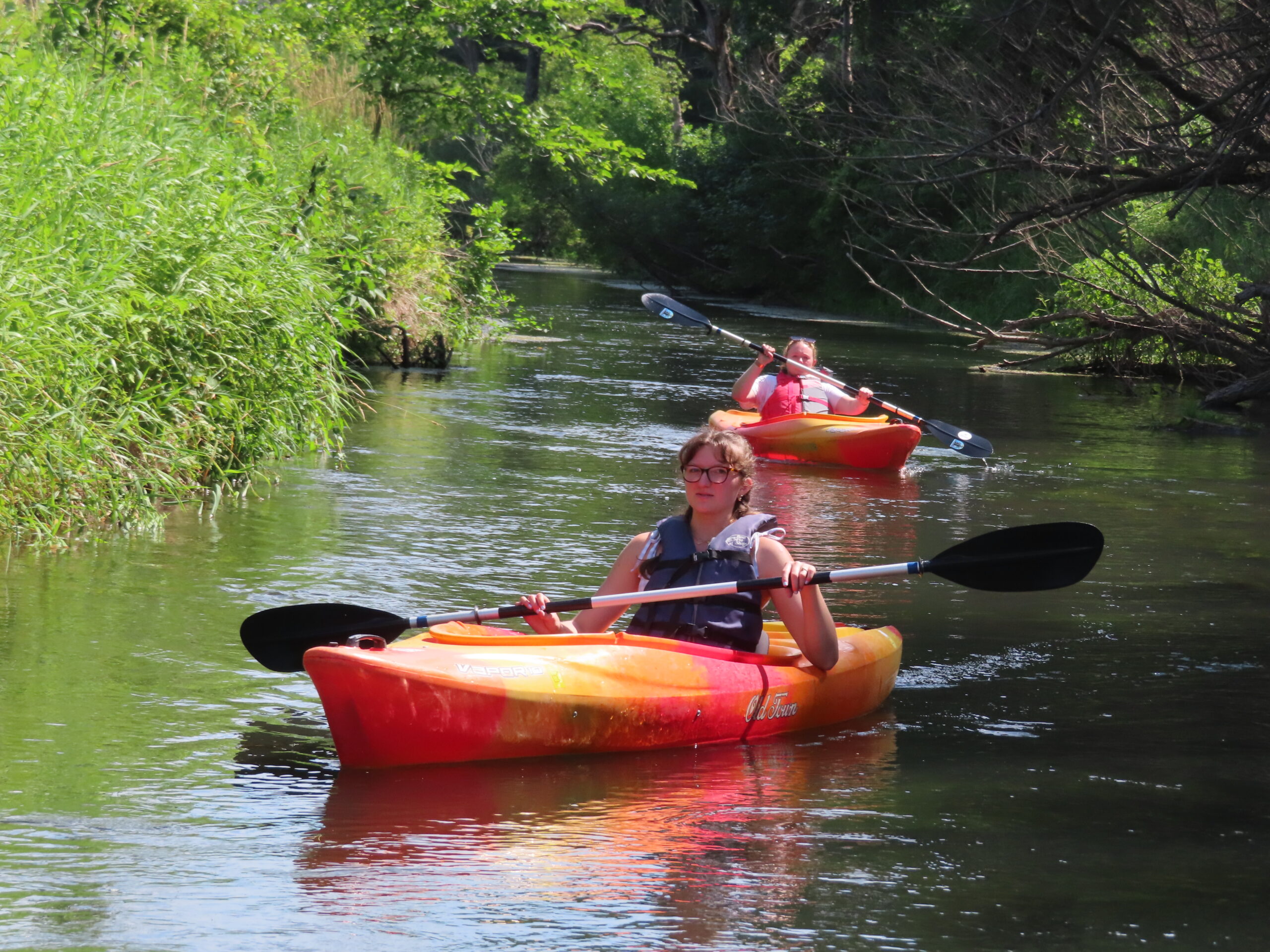
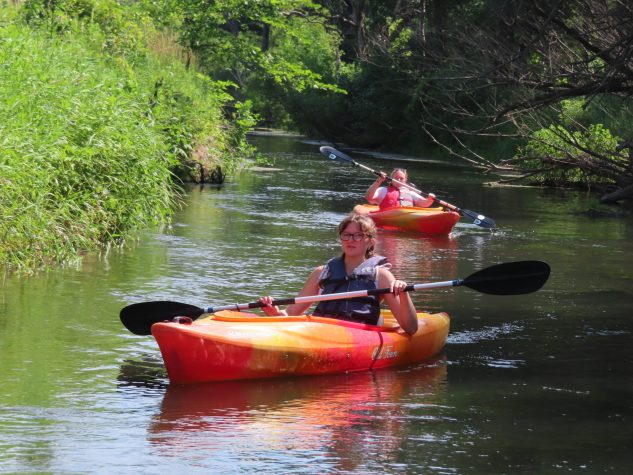
Every summer, a group of teenagers living with MS gathers at Oscar’s Teen MS Camp for a week of kayaking, horseback riding, campfires, and s’mores. But the activities are only part of what brings them there. Camp is also a place to get questions answered that don’t always come up in a typical doctor’s visit, talk openly about the challenges of living with MS, and, perhaps for the first time, spend a week with other teenagers who truly understand what they’re going through.
This year, campers gathered at the University of Wisconsin–River Falls, along the Kinnickinnic River, where they spent a week surrounded by people their own age who understand what it’s like to navigate life with MS.
A search for connection
Oscar’s Teen MS Camp is one of several programs run by Mr. Oscar Monkey, a nonprofit serving the pediatric MS community founded by Emily Blosberg. After her diagnosis at age 15, she spent more than a year searching for another teenager with MS before finally connecting with someone—and that teen lived six hours away.
“There are other teenagers and kids out there that have been diagnosed with MS, and they have been feeling the same loneliness and isolation that I have been feeling,” Blosberg recalled telling her father on the drive home from that meeting. “We need to find them, and we need to give them a place where they don’t have to feel alone.”
That conversation led Blosberg to found Mr. Oscar Monkey in 2015. Three years later, at age 21, she launched the organization’s first camp, a family camp. The following year, the teenagers who attended came to her with a request of their own: they wanted a week that was just for them. Oscar’s Teen MS Camp was born.
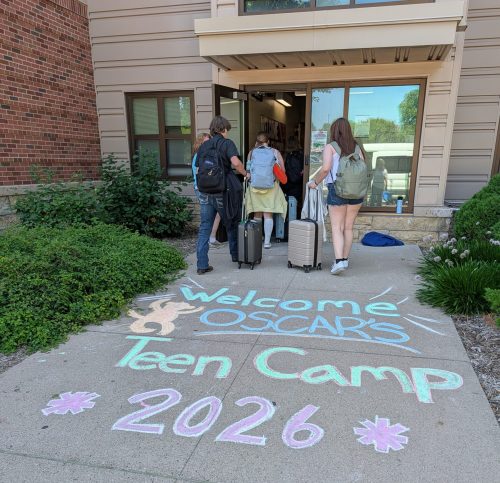
"They shouldn't be able to do that"
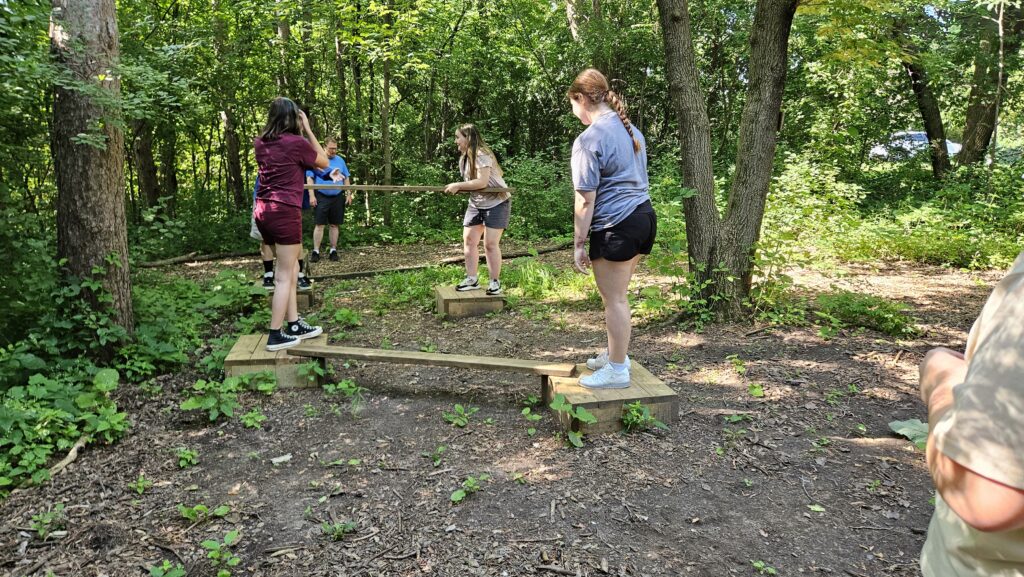
A recurring theme at camp is challenging assumptions about what life with MS looks like. Many campers arrive having been told, often by well-meaning adults, that certain activities are no longer possible.
“They’re doing activities that people have told them that they shouldn’t be able to do,” Blosberg said. “They shouldn’t be able to go rock climbing, they shouldn’t be able to go ride a horse, they shouldn’t be able to go kayaking. Why not?”
That question carries through the week. Alongside the outdoor activities, campers talk through the less visible challenges of living with MS: dating, applying for a first job, asking teachers for accommodations, and navigating a future that can sometimes feel uncertain.
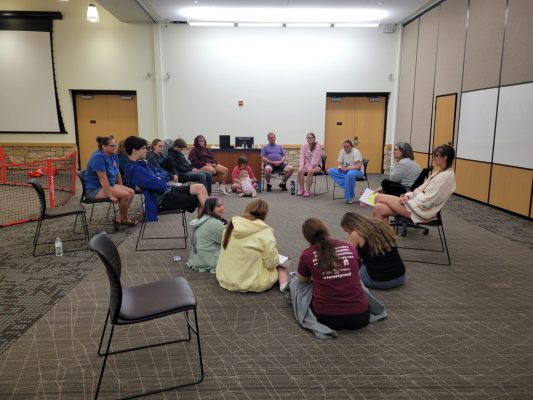
Each evening ends with a “highs and lows” circle, where every camper shares something good and something difficult from the day. Together, they help each other find a different perspective, and by the end of the week, that shift is visible in nearly every camper.
Finding your people
This year, one participant experienced camp from a unique perspective. ACP Chief Scientific Officer Stephanie Buxhoeveden attended as the first researcher ever invited to Oscar’s Teen MS Camp. As a researcher, nurse practitioner, and person living with MS herself, she saw firsthand what the experience meant, not only for the teenagers, but for the adults learning alongside them.
“It should be mandatory. Everybody needs a peer group of people with shared values and life experiences,” Buxhoeveden said. “It’s a beautiful mix of finding your people, learning about yourself, and being at a camp for MS while still feeling normal.”
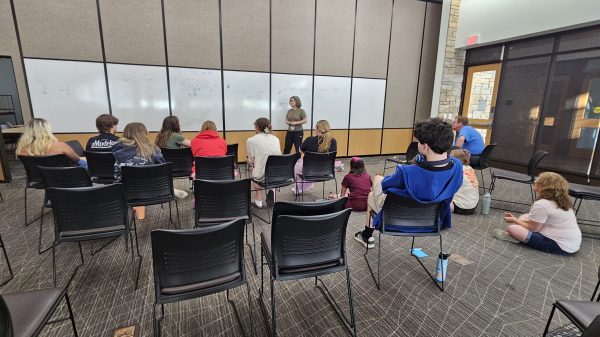
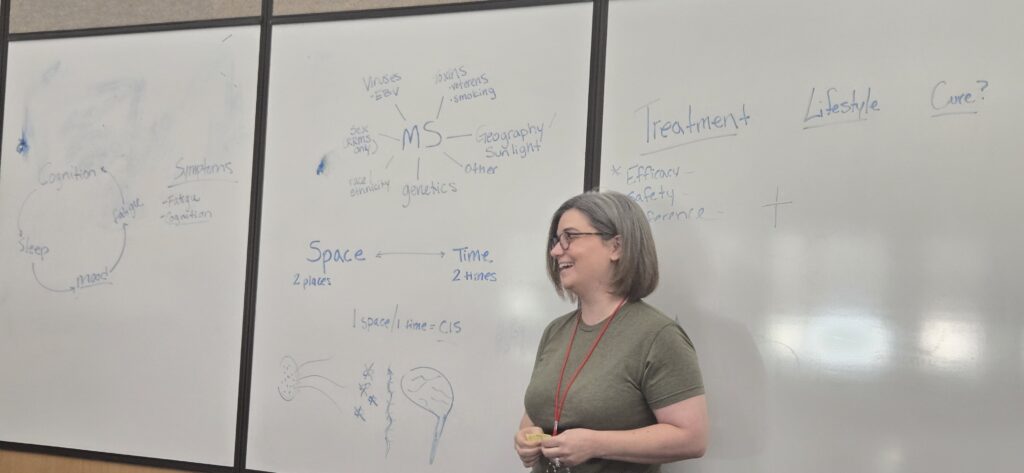
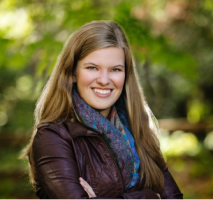
ACP Chief Scientific Officer Stephanie Buxhoeveden (right) led candid conversations with campers, creating a space where teens can ask questions about MS and get answers they might not receive in a typical clinic visit.
That sense of belonging matters, especially for teens who’ve spent years feeling misunderstood or overlooked. Many campers, Blosberg said, describe long diagnostic journeys or being told they couldn’t possibly have MS because of their age.
“There is still just a lack of understanding in the MS world about pediatric MS,” Blosberg said. “We’ve had several who were told they had brain tumors, because doctors saw spots on their MRIs and thought, kids don’t get MS, it’s gotta be something else.”
Why it matters for research
Blosberg said having a researcher at camp changes the experience for everyone. For researchers, spending a week alongside teens living with MS makes the disease tangible in a way no dataset or clinic visit can.
“You’re actually hearing the real-life stories, and you’re seeing the real-life experiences of these kids and teenagers,” Blosberg said. “It gives a face to everything, it gives a story, it gives a meaning.”
It also builds trust in the other direction. Campers spend the week getting to know a researcher as a person, asking questions, and seeing firsthand that someone in the research community is listening.
By week’s end, Buxhoeveden said what stayed with her most wasn’t any one conversation, it was watching the campers simply be themselves.
“The most important thing is them being there with each other, learning from each other, and watching them bond as humans,” Buxhoeveden said. “They could just be themselves without having to explain. It’s the most incredible space they’ve built for these teens.”
Oscar’s Teen MS Camp is just one of the ways Mr. Oscar Monkey helps children, teens, young adults, and families affected by MS find connection and support. Learn more at mroscarmonkey.org.