VOICES
Making sure the science is worthy of the people behind it
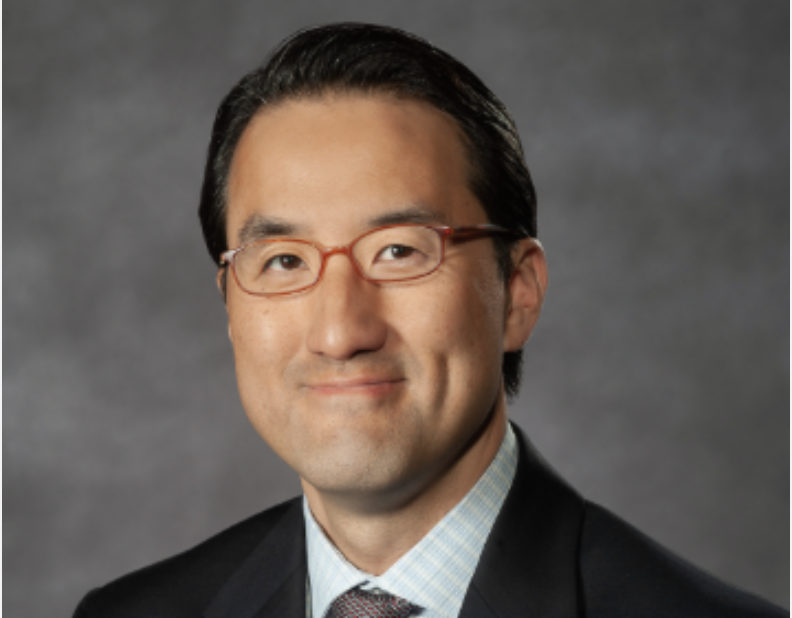
Dr. Unsong Oh on why the 3,200 participants who made the ACP Repository possible are never far from his mind
When Dr. Unsong Oh decided to specialize in neurology, the field of MS treatment was at a turning point. Effective therapies were just beginning to emerge, and the promise of what might be possible drew him in. Decades later, that sense of possibility hasn’t faded. It’s just taken on new dimensions.
Today, Dr. Oh is a neurologist at Virginia Commonwealth University and a member of ACP’s Scientific Steering Committee. The committee brings together clinicians, researchers, and other experts in MS to help guide how the ACP Repository’s samples and data are put to use, ensure they are directed toward the research most likely to make a difference, and get the word out to investigators who may not yet know what the Repository has to offer.
For the thousands of people who have donated blood samples and personal health data to the Repository over the years, that work matters.
“I want to be able to tell donors: we’re going to do our due diligence, and we’re going to make sure that the samples get used in the best way possible,” said Dr. Oh. “That’s really my motivation for serving on the steering committee.”
A resource unlike any other
The Repository currently holds samples from more than 3,200 participants, each accompanied by roughly 50 pages of self-reported personal, health, and clinical data.
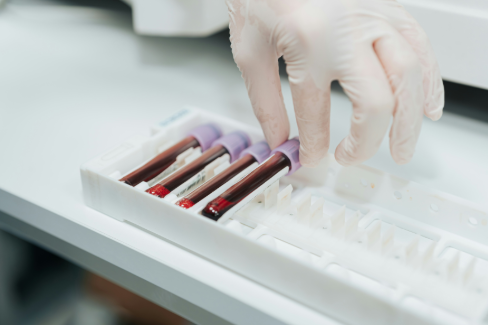
Dr. Oh and his fellow committee members are dedicated to making sure this resource delivers on its promise for people living with MS.
Dr. Oh knows the Repository from both sides, as a researcher who has used it and as someone now helping to steward it. In his own biomarker research, he has drawn on the Repository’s depth in ways that a smaller, single-institution collection simply can’t match.
“If you want to really test a biomarker, you’re going to need a larger set of samples,” he explains. “The ACP Repository gives you a lot of samples with a lot of data behind the donors — not just MS samples, but family members, healthy donors, and related conditions as well. That’s a real wealth of material that researchers can take advantage of.”
“I have such a deep respect for the people who gave samples to the Repository. They did that hoping that one day science would come far enough to do something really meaningful with it. My job is to help make sure that happens.”
Dr. Unsong Oh
What makes the Repository especially unusual, he says, is what happens after a researcher uses it. Under ACP’s material transfer agreement, researchers who access samples are required to return their findings to the Repository database. That means the resource grows every time it’s used.
“Each time something is taken out, something is given back,” Dr. Oh says. “A lot of biorepositories don’t require that. The data just keeps growing, and I think that’s fundamentally important and unique about what ACP has built.”
Why it all comes back to the participants
For Dr. Oh, the science and the people behind it are inseparable. The Repository exists because thousands of people with MS chose to contribute, and that act of trust shapes how he thinks about his role on the steering committee.
“I have such a deep respect for the people who gave samples to the Repository,” he says. “They did that hoping that one day science would come far enough to do something really meaningful with it. My job is to help make sure that happens.”
COMMUNITY RESEARCH
iConquerMS members: your REAL-MS follow-up surveys open June 1
You’re part of something bigger than you might think

In the 1940s, researchers in Framingham, Massachusetts began following the same group of people over decades, tracking their health, habits, and histories. That study transformed what we know about heart disease—not because of any single finding, but because of the power of watching the same people over time.
REAL-MS (Research Engagement About Life with Multiple Sclerosis) is built on the same idea. Every six months, iConquerMS members complete surveys about symptoms, treatments, daily life, and overall well-being. The data accumulates. Patterns emerge. And researchers begin to see things that no clinic visit, MRI, or lab test could ever show them.
If you’re a returning participant, your follow-up surveys open June 1 and close June 30.
REAL-MS has been running since 2016, and the dataset it’s building is one of a kind. Researchers at leading institutions are using it to study MS progression, symptoms, and differences in how MS affects different communities. The only way that work is possible is if the same people keep showing up, survey after survey, year after year.
If you’re already an iConquerMS member, we’ll send you an email when the portal opens. Even if nothing has changed in your health, or if things have felt unpredictable. That information is exactly what researchers need.
Not yet a member? iConquerMS is free to join, and your baseline REAL-MS surveys are available anytime — no need to wait for the June window.
Visit iconquerms.org to get started.
LIVING WITH MS
Summer and MS: What Heat Does to Your Body
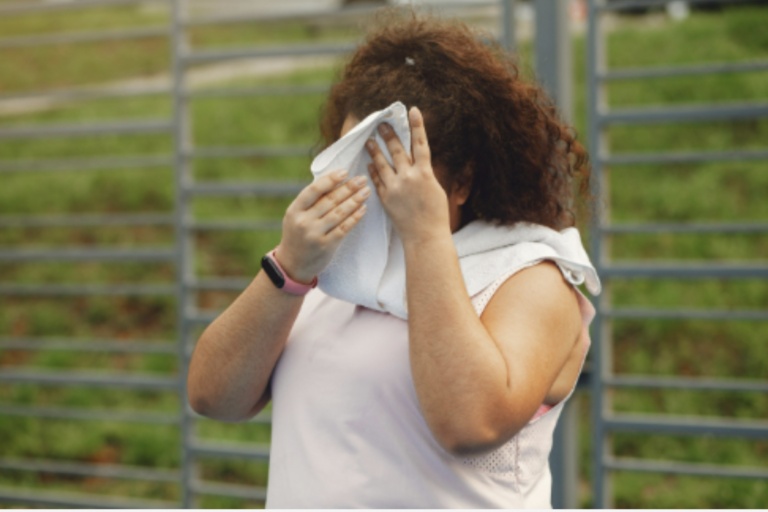
As temperatures climb, many people with MS notice something familiar: symptoms that seemed manageable suddenly feel worse. Fatigue intensifies. Vision blurs. Concentration slips. It’s not imagined, and it’s not permanent—but it’s real, and it’s worth understanding.
Between 60 and 80 percent of people with MS experience some degree of heat sensitivity. The phenomenon even has a name: Uhthoff’s Phenomenon, after German ophthalmologist Wilhelm Uhthoff, who first observed in 1890 that people with optic neuritis experienced worsening symptoms with exertion. The culprit turned out to be heat, not the activity itself.
Here’s why it happens. MS damages the myelin sheath, the protective coating around nerve fibers, which slows the conduction of nerve signals. Heat slows that process even further. MS can also affect the hypothalamus, the part of the brain that regulates body temperature, which can interfere with the body’s ability to cool itself through sweating. The result: symptoms that flare when the body heats up.
The good news? Uhthoff’s Phenomenon is temporary. Heat doesn’t cause new nerve damage, and symptoms typically ease once the body cools down. That said, everyone’s experience is different. The symptoms that worsen, how quickly they appear, and how long recovery takes can vary considerably from person to person.
Staying cool this summer
There’s no medication for heat sensitivity, but there are practical strategies that can help.
Cooling your body
Drink cold water throughout the day. Research suggests it can help people with MS sustain activity in the heat. Cool compresses on the face or back of the neck offer quick relief. Ice chips and cold snacks are useful too.
Lightweight, breathable clothing makes a difference, as does timing outdoor activities for early morning or evening when temperatures are lower.

Cooling your environment
Air conditioning is one of the most effective tools available on hot days. Closing blinds and curtains helps keep rooms cooler, and switching to LED lighting reduces ambient heat. Unplugging devices when not in use also helps: they generate more warmth than most people realize.
The MS Association of America’s Cooling Distribution Program offer cooling products at no cost to those who qualify.
A note about cold sensitivity
While heat sensitivity is most common, about 20 percent of people with MS are also sensitive to cold, particularly when it comes to spasticity. If you’re sensitive to temperature in either direction, it’s worth talking with your care team about strategies tailored to your situation.
iConquerMS collects ongoing data from members about heat sensitivity and how it affects daily life — helping researchers better understand how this symptom varies across the MS community. If you’re not already a member, consider joining at iconquerms.org.
RESEARCH OPPORTUNITY
How does fatigue affect your relationship with exercise?
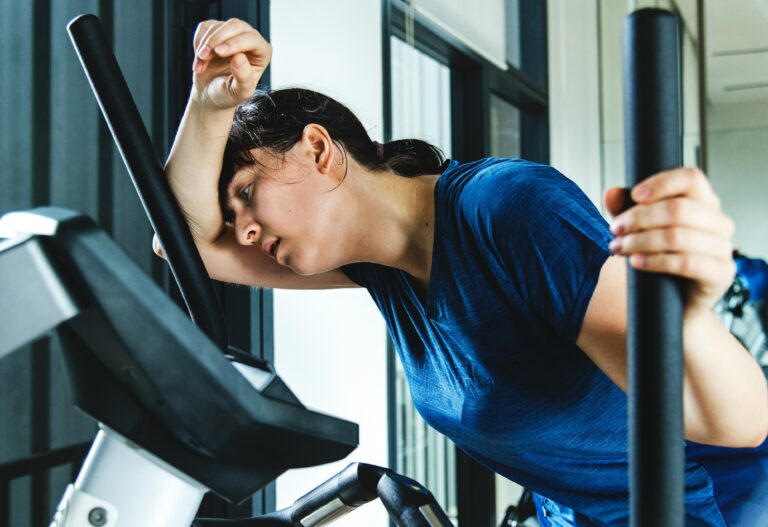
Fatigue is one of the most common and most misunderstood symptoms of MS. A graduate student at Southern Utah University wants to change that, and she’s asking for your help — whether you’re living with MS or a physical or occupational therapist who works with MS patients.
Holly Davis is completing her master’s thesis research on fatigue and exercise in people living with MS. She also lives with MS herself, which brought her to this research in the first place.
Her study explores how fatigue affects movement, exercise participation, and rehabilitation experiences, gathering perspectives from two groups: people living with MS and the clinicians who support them.
Participating is simple: an anonymous online survey that takes about 10 to 15 minutes to complete. You’re eligible if you’re living with MS (regardless of type or stage) or are a licensed physical therapist or occupational therapist.
Your experience matters — and so does your voice.
LEADERSHIP OPPORTUNITY
Your experience and perspective can make MS research more equitable
People with MS from underrepresented communities have a unique and important perspective on what MS research should prioritize — and too often, that perspective goes unheard. The RIDE Council exists to change that.

The RIDE Council, iConquerMS’s Research Inclusion, Diversity and Equity Council, is a group of about 30 people living with MS who work directly alongside ACP staff and researchers, bringing their lived experience to bear on the questions we ask, the people we reach, and the way we design our work.
We’re currently looking for new members for our Hispanic and Emerging Voices sub-councils, especially people from the Hispanic and Latino community, those recently diagnosed, people living in rural areas, veterans, and LGBTQ+ members.
If that’s you, or someone you know, we’d love to hear from you. Reach out to Jordan Caines at Jcaines@acceleratedcure.org.
COMMUNITY IMPACT
From the card table to the cause
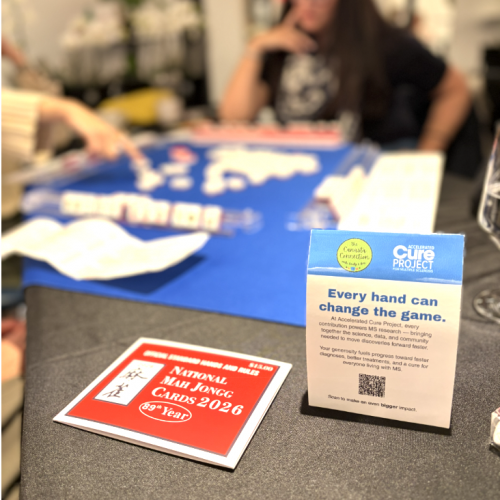
When Emily Shire and her mother, Bev, wanted to do something meaningful for a friend living with MS, they didn’t wait for someone else to organize it. They planned a mahjong and canasta tournament at a local restaurant in Wellesley, Mass., and turned an afternoon of games into an act of generosity for Accelerated Cure Project for MS.
Their event is a reminder that the best fundraisers don’t start with a big plan. They start with a good idea and the will to act on it.
There are as many ways to support MS research as there are people who care about it. Whether you’re a card shark, a baker, a runner, or just someone with a good idea and a group of friends, ACP has a starter kit to help you plan your own event.
Download our DIY fundraiser guide and find the inspiration you need to make your own impact.