From rural America to shaping MS research
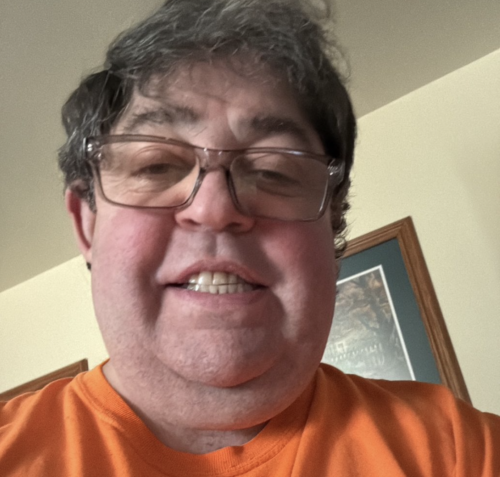
Living with MS in a small town with scarce resources and limited access to specialists, James Allen Stanley found himself without a clear roadmap — and determined to help others in the same position. The RIDE Council at iConquerMS gave him a way to do something about it.
The RIDE Council is focused on broadening participation in MS research by elevating voices from communities that have historically been left out, rural communities among them. What made you want to be part of that work?
I’ve always been the type to step in and help where I can. When I moved to this rural area, I found the same issues I’d seen before. No one talks to each other, no one knows where to find help, and there’s no clear direction. My town has just 400 people, and our entire county is 2,000. Resources are scarce, and I’ve had to travel 50 to 80 miles to see specialists. Joining the RIDE Council was a chance to organize information and give others a starting point to make their lives easier. It’s been an eye-opener and an exciting way to contribute despite my limitations.
Living in a rural area means dealing with barriers most people don’t think about. What does that look like day to day?
My neurologist used to visit our local hospital twice a month. Now I have to drive two hours to see him. Virtual appointments help, but broadband isn’t available everywhere, which makes telehealth inaccessible for many people. Transportation is another big issue, especially in the winter. And there’s also the challenge of just knowing what’s happening to your own body. Many people don’t realize that things like numbness or vision loss can be MS-related. The RIDE Council helps by providing resources, connecting people, and amplifying our shared experiences so others feel less alone.
How has being part of the RIDE Council changed the way you think about research and who it’s for?
The RIDE Council has shown me the power of a unified voice. Before, individuals living with MS had no real impact on research decisions. Now, as a group, we can tell researchers: what you’re doing is nice, but here’s what we actually need. It’s been eye-opening to see researchers realize they’ve been missing the mark in some areas. As a Council, we’re helping direct efforts toward issues that matter most, like reducing the side effects of DMTs and tackling fatigue. That collective power is something I haven’t seen before in research.
What would you say to someone who was just diagnosed and is trying to figure out where to start?
Start with the basics: find a good primary care doctor and neurologist. Write down your symptoms and questions to bring to appointments. It makes communication so much easier. If you’re struggling, reach out to organizations like iConquerMS or the National MS Society. We’re here to help you navigate the system. And don’t be afraid to switch doctors if they aren’t the right fit for you. No one should have to navigate this alone.
Editor’s note: Are you a researcher, advocate, patient or caregiver with a story to tell about MS research — why you do it, what it means to you, or what you hope it leads to? We’d love to feature you in an upcoming issue. Reach out to Cristal Balis at cbalis@acceleratedcure.org.
RESEARCH SPOTLIGHT
ACP on RealTalk MS: Putting Patients at the Center of MS Research
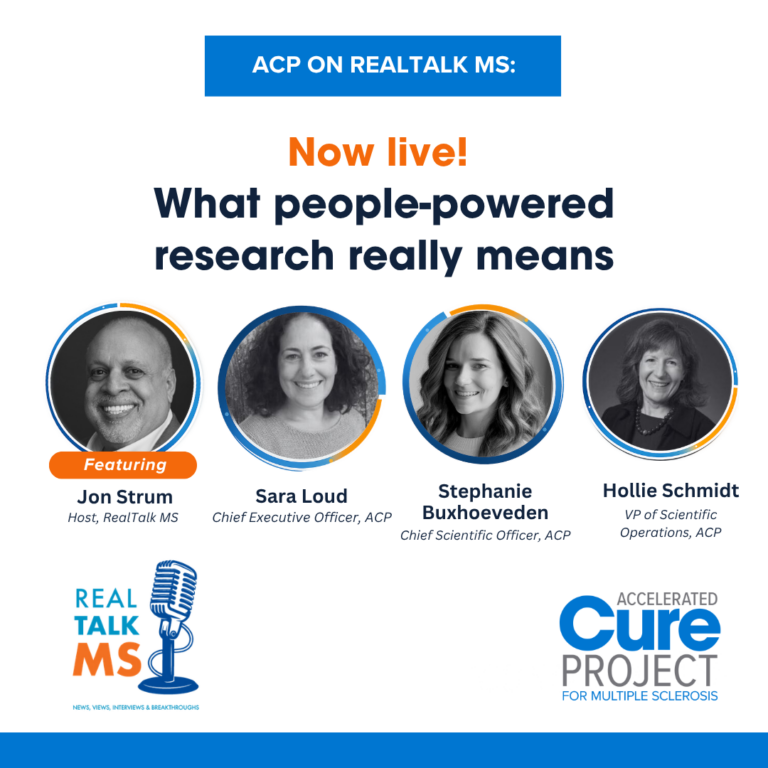
What does it actually mean to put patients at the center of MS research — not just as participants, but as partners?
That’s the question at the heart of a recent RealTalk MS episode featuring ACP CEO Sara Loud, Chief Scientific Officer Stephanie Buxhoeveden, and VP of Scientific Operations Hollie Schmidt.
Host Jon Strum caught up with the team fresh off the ACTRIMS Forum, where iConquerMS and the newly launched PRADA initiative, a structured effort that empowers the MS community to define and prioritize the research agenda, were featured. The scientific community’s response made clear that the field is ready for a different kind of research partnership.
The conversation covers a lot of ground: how iConquerMS flips the traditional research model by starting with patient questions rather than researcher hypotheses; why the field is finally paying serious attention to progression, fatigue, and quality of life. Stephanie—a researcher, nurse practitioner, and someone living with MS herself—also shares why she believes that for many people living with MS today, diet, sleep, and daily habits may matter just as much to daily functioning as their MS medications.
It’s a conversation worth your time. Listen to the full episode below.
MENTAL HEALTH AWARENESS MONTH
MS affects more than the body
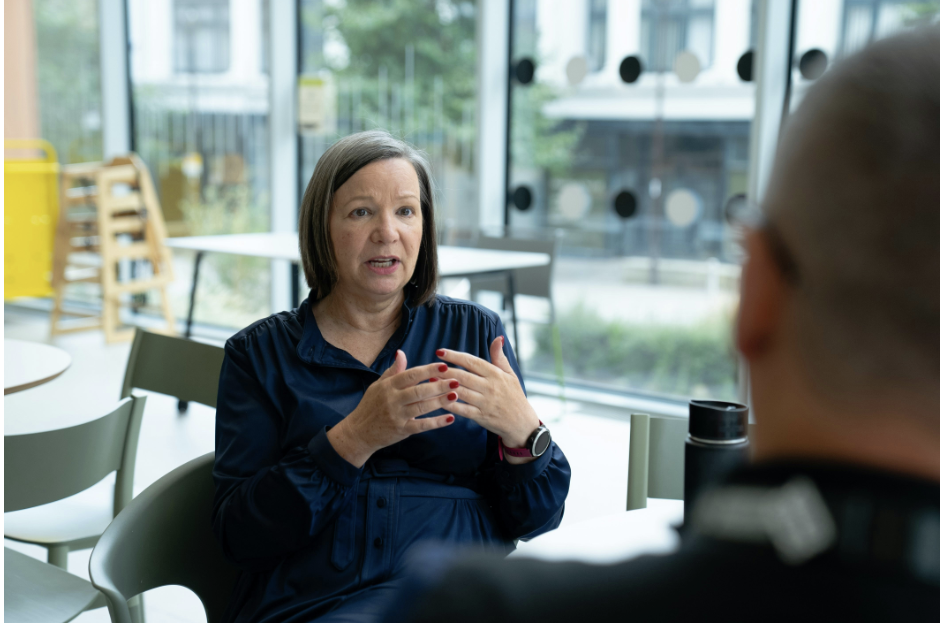
May is Mental Health Awareness Month — and for people living with MS, that’s worth reflecting on. Anxiety and depression can be part of the MS experience, and our friends at Can Do MS are here to help.
Join Can Do MS for a free webinar on Wednesday, May 13, from 7-8PM ET: Therapy Approaches to Help You Thrive with MS. It covers different therapy types, the mental health providers who work with people living with MS, and how therapy can help with emotional well-being and symptom management. Sign up here.
Can Do MS offers a range of free programs and resources for people living with MS and their care partners year-round. Visit their website to see what’s available.
RESEARCH OPPORTUNITY
Share Your Story—Help the Future of MS and Pregnancy Care
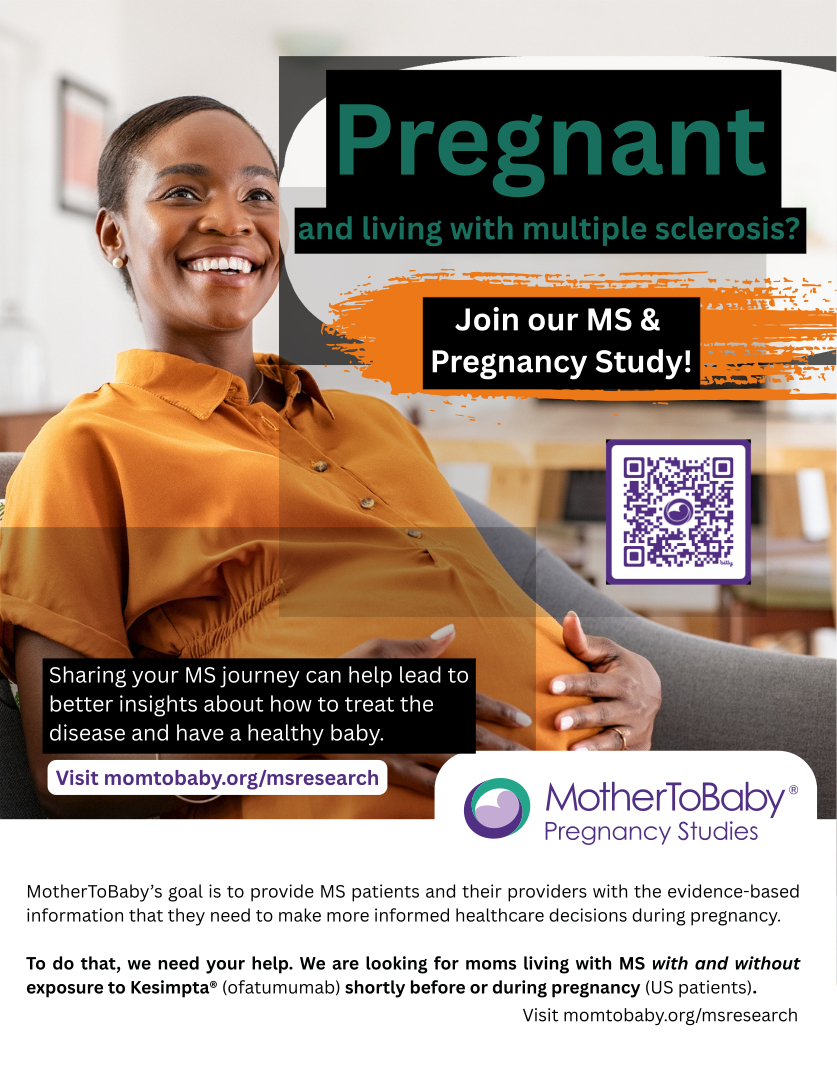
MotherToBaby Pregnancy Studies is enrolling pregnant people with MS into a study to better understand how MS and medications like Kesimpta® (ofatumumab) may affect pregnancy and baby outcomes. You may qualify whether or not you’ve taken this medication.
This is an observational study, so no changes will be made to your treatment or care. If you join, you’ll:
* Have 1–3 phone interviews during pregnancy and one after birth
* Give permission for researchers to review your pregnancy and your baby’s medical records through 1 year of age
* Have the opportunity for a pediatric baby exam and a 12-month online developmental check
Learn more: https://mothertobaby.org/ongoing-study/kesimpta-ofatumumab/
COMMUNITY IMPACT
‘This is real’: Veronica Daniels-Lewis on research, community, and MS
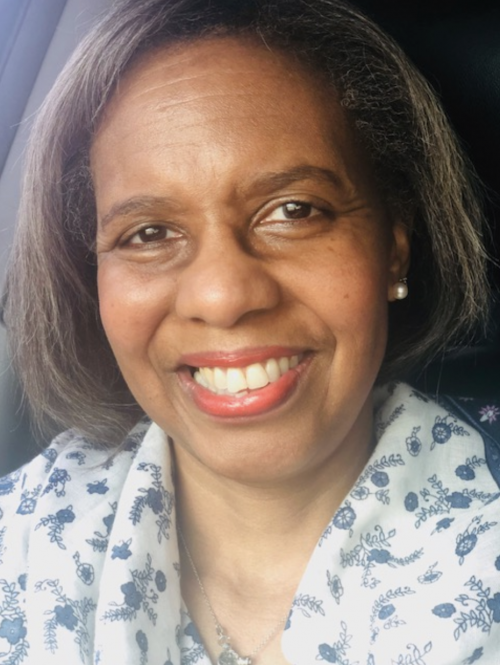
Veronica Daniels-Lewis has been living with MS since 1996. When she was first diagnosed, there were only two disease-modifying therapies on the market. Today, there are nearly two dozen. That kind of perspective shapes everything about how she shows up for the MS community. It’s why, when she volunteered to work at a table promoting iConquerMS at the Houston MS Walk in March, she proudly displayed an iConquerMS brochure with her own photo right on the cover.
“This is real,” she tells people who stop by. “This is me. I’m here.” For Veronica, that’s the point. She’s not a scientist or a clinician—she’s someone living with MS who found that research has room for her, and she wants others to know the same is true for them.
Veronica’s relationship with research began long before her MS diagnosis. Diagnosed with asthma at age four, she was enrolled in studies as a child by her mother, a nurse at the University of Texas Medical Branch in Galveston. “In those days, there was no medication, really,” she says. “My mom was like, we need to figure this out.” Those early experiences gave Veronica a lasting belief in what research can do, and a sense of responsibility to stay involved.
When she discovered iConquerMS around 2017 through a flyer in her doctor’s office, she recognized the alignment immediately. “I’ve always participated in medical research,” she says. “When I ran across this, I said, hey, this is where I want to be.”
"Find a way to use your voice, no matter whether it's big or small. Every action that you take is an action that's going to get us to the finish line."
Beyond her work with iConquerMS, Veronica is also one of the RIDE Council’s founding members. The RIDE Council is an advisory group of nearly 30 iConquerMS members who represent communities historically left out of research and work to ensure ACP’s science reflects the full diversity of people affected by MS. She also founded and runs the Sugar Land Battle Fighters Battalion of Hope, a peer support group that started as a local Houston resource and has grown to more than 200 members across Texas and beyond. For Veronica, if there’s a way to contribute, she’ll find it.
So when she saw an opportunity to bring iConquerMS to the Houston MS Walk, she didn’t hesitate. She got buy-in from the walk organizers, connected with the iConquerMS team, and has been staffing a table there for the past two years. This year, she added a hand-lettered sign: Ask me about iConquerMS.
People did.
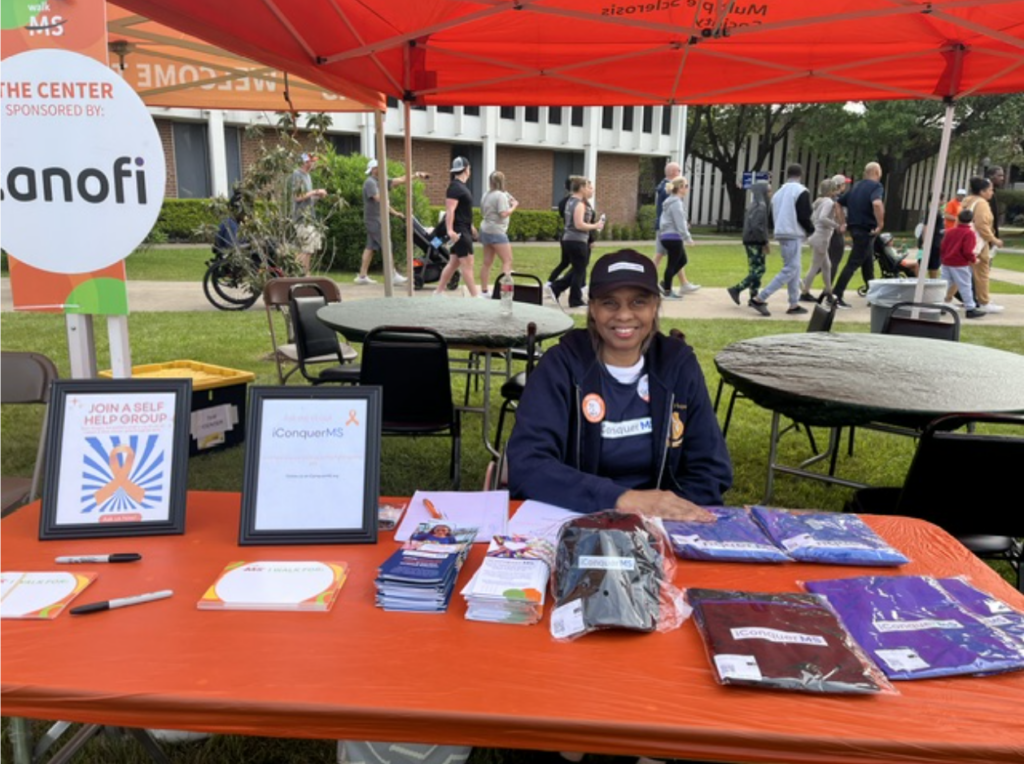
She tells them what iConquerMS actually is, a people-powered research organization where participation isn’t limited to drug trials. “There are surveys, focus groups, panels, all kinds of ways to participate,” she explains. “And I’m here to tell you, these are the things I have done.”
For Veronica, the work at the table is about more than handing out brochures. It’s about showing people what’s possible when they get involved.
She draws a direct line from her childhood asthma, once poorly understood and under-treated, to where MS research stands today. “They figured asthma out,” she says. “Let’s do that with MS.” And her message to anyone wondering whether they have a role to play: “Find a way to use your voice, no matter whether it’s big or small. Every action that you take is an action that’s going to get us to the finish line.”
Interested in connecting with Veronica or learning more about the Sugar Land Battle Fighters Battalion of Hope? Reach her at ronilewis5@gmail.com.